Friends of Hailey Park
  • Home
    • Who we are
    • Committee
    • Membership
    • Constitution
    • Minutes of previous meetings
    • Other Friends Groups in Cardiff
  • Hailey Park
    • The Park
    • Getting there
    • Park Guide
    • Taff Trail
    • LN Rugby Club
  • Nature
    • Biodiversity
    • MeadowLife
    • Woodland Management
    • Park Sightings
    • Useful links
  • History
    • Claude Hailey
    • Gallery
  • News & Events
    • Online Survey
    • Calendar
    • Summer Fair 2011
    • Special events
    • Out & About Elsewhere
    • Voluntary work on the park
    • Llandaff North presents ...
  • Play Project
    • Play Area Plan
    • Fundraising
  • Contact us
  • Local Area Info
    • Local Area
    • Lost & found dogs
    • Community Policing
    • Local Representatives

_Woodland management

__ A short programme of woodland management takes place on Hailey Park every year, involving woodland thinning and coppicing. The work forms part of an agreed management plan following consultations with the County Ecologist and is one of the priority sites selected as part of an overall strategy for Cardiff’s woodland management.

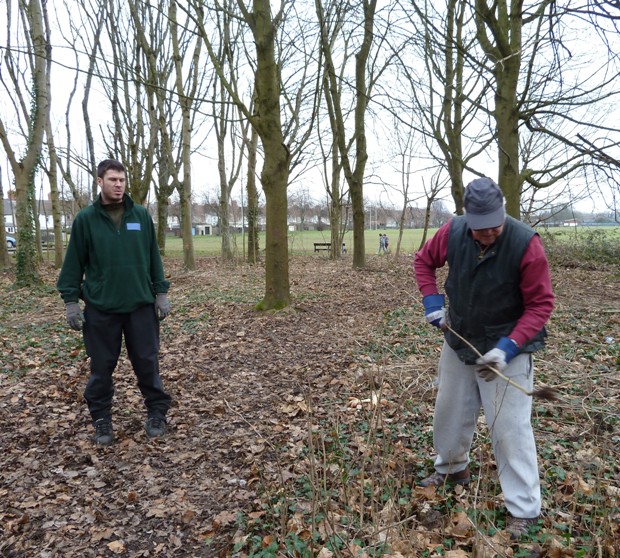
The work is carried out by the Park Ranger Service usually in the first quarter of each year. However, at other times of the year removal of saplings (usually sycamore) is often done by volunteers on the park under the guidance of the ranger service.

What is woodland management? Woodland management is all about keeping our woods healthy and varied for the people and wildlife of Cardiff to enjoy.

The work is designed to meet each site’s individual needs and increase biodiversity, and the age range of the trees. Woodland management work is done during the winter and stops for the nesting season. Thinning out of trees and coppicing areas allows light to penetrate on to the woodland floor to stimulate the ground floor species such as blue bell, wood anemone and celandine and to encourage natural regeneration of tree species. Once the tree canopy becomes too dense, these spring flowering plants that carpet the woodland floor become shaded out.

What happens to the brash and wood that is felled?

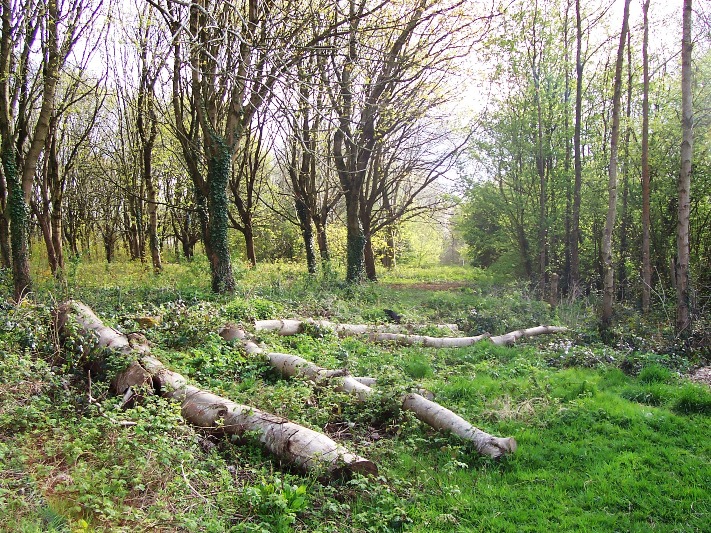
  • Much of the brash and logs can be left on site in habitat piles to encourage nesting birds and small mammals.
  • Dead and decaying wood is also excellent habitat for fungi and insects, which in turn become food for birds and mammals and as such a crucial part of the woodland ecosystem.
  • Some sites are not suitable to leave habitat piles and in these sites the brash can be chipped and spread out to rot down.
  • Some trees will be made safe and left as standing dead wood to become habitat for insects and a foraging ground for woodpeckers and roosts for bats.
  • Where access allows, some of the wood is removed and chipped using our tractor mounted chipper for use as play bark or milled and used for projects such as fencing and signs in Cardiff’s parks and open spaces
Picture
Picture
Create a free website with Weebly